
Every form of capital creates advantage
Financial capital creates opportunity. Social capital opens doors. Intellectual capital builds expertise. Reputational capital earns trust. Increasingly, another form of capital is shaping how leaders are perceived before they have spoken a single word.
Aesthetic capital
Coined by sociologist Catherine Hakim, aesthetic capital describes the social and economic value attached to personal appearance, health, grooming, confidence and physical presence. It is not beauty in the conventional sense. It is the cumulative impression created by how an individual presents themselves to the world. For senior leaders, founders and professionals, this idea has become increasingly relevant.
Research consistently shows that people form impressions within seconds. Before competence can be demonstrated, audiences unconsciously assess confidence, vitality, credibility and professionalism through visible cues. These perceptions are rarely the whole story, but they influence how conversations begin, how trust develops and, in many cases, who is remembered.
Throughout history, influential leaders have understood this intuitively. John F. Kennedy's composure and youthful confidence fundamentally changed perceptions of political leadership during the first televised presidential debates. Barack Obama demonstrated how calm presence, disciplined presentation and measured communication could reinforce authority. Michelle Obama redefined public leadership by combining intelligence, warmth and impeccable presentation into a powerful expression of modern influence.
None of these leaders were successful because of appearance alone. They succeeded because presence amplified substance.
Today's executive operates in an environment where board meetings are streamed, investor presentations circulate online, conferences become social media content and LinkedIn profiles often create the first professional introduction. Personal presentation has therefore become an increasingly strategic asset. This shift has also fueled remarkable growth in longevity medicine, preventative healthcare and aesthetic medicine. High-performing professionals are investing not simply in looking younger, but in maintaining energy, confidence, resilience and executive presence over the long term.
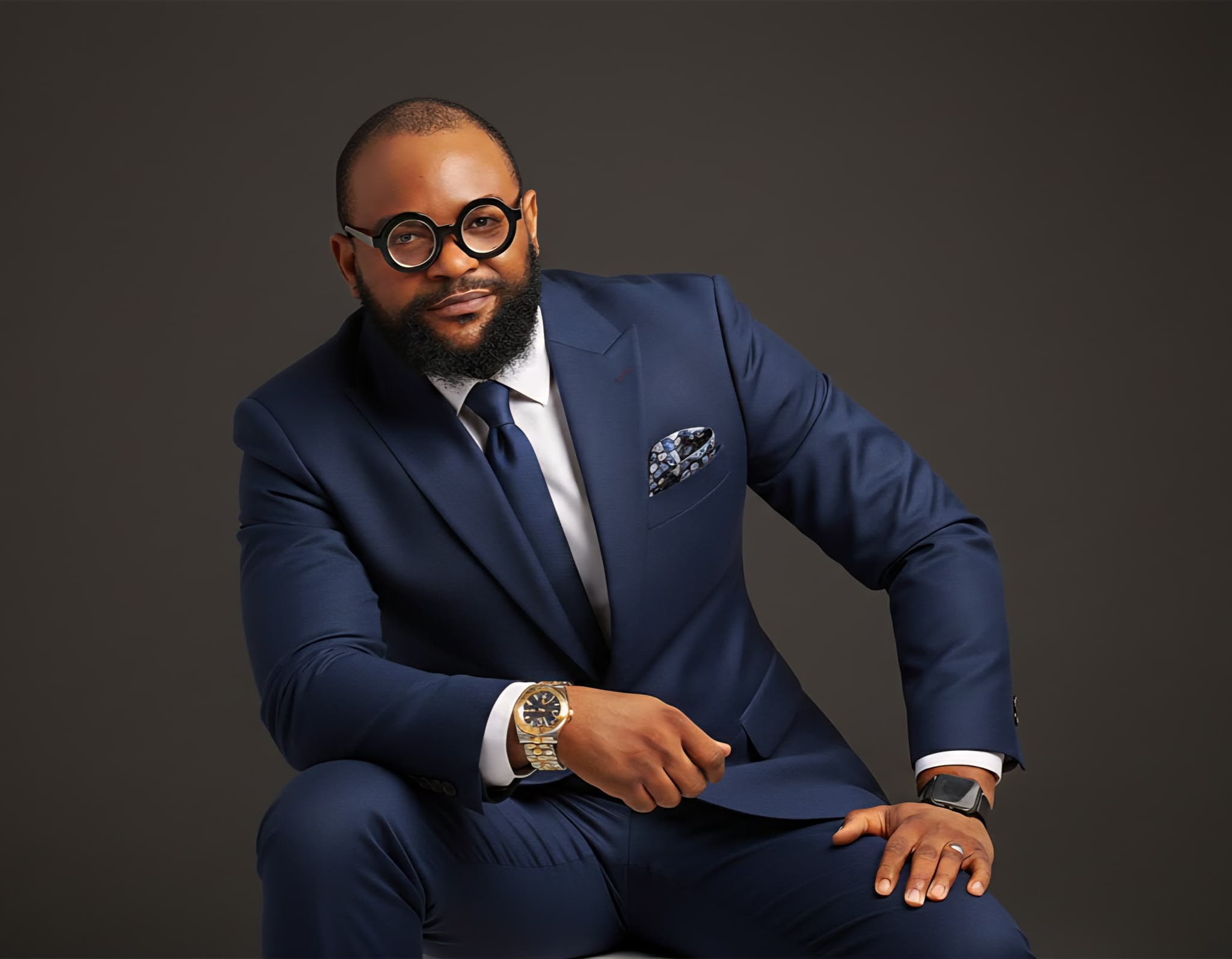
In this edition of The Connectors Code Insider Advantage, we speak with Dr. Chuka Victor Imo, Partner and Chief Medical Director at Skinetics Skincare and one of Nigeria's leading aesthetic physicians. With more than two decades of experience in cosmetic dermatology, anti-ageing science and aesthetic medicine, Dr. Imo has trained internationally across Nigeria, the United Kingdom, Greece and the United States, and has become a respected voice in advancing ethical, evidence-based aesthetic practice.
Together, we explore why aesthetics is becoming part of the modern leadership conversation, how longevity is emerging as a strategic investment rather than a luxury, and why looking well may increasingly represent one of the most overlooked forms of professional capital.
Because at its highest level, aesthetic capital is not about perfection. It is about alignment between health, confidence and leadership. It is about showing up in the world with visible energy, credibility and self-respect. And in an increasingly competitive world, those qualities are becoming difficult to ignore.
Interview
We hear more professionals talking about aesthetics than ever before. Has the conversation changed?
Completely. When many people hear the word aesthetics, they immediately think of cosmetic procedures. In reality, modern aesthetic medicine is increasingly focused on prevention, skin health, healthy ageing and helping people look as well as they feel. For many professionals, the objective isn't transformation. It's maintaining confidence, vitality and a healthy appearance throughout demanding careers.
We introduced the idea of aesthetic capital. Does that concept resonate with you?
Very much so. Although medicine may not always use that exact phrase, we certainly see the effects of it. People often underestimate how much confidence influences performance. When individuals feel good about themselves, it changes how they communicate, how they engage with others and how they present themselves professionally. Appearance alone never creates competence, but confidence often allows competence to be expressed more effectively.
Some people still dismiss aesthetics as vanity. How do you respond?
I think that perception belongs to an earlier era. Today, we celebrate people who invest in fitness, nutrition, executive coaching and mental wellbeing. Aesthetic medicine sits within that broader conversation about self-care and healthy ageing. Responsible aesthetic medicine should enhance someone's natural appearance, not redefine their identity. The best work is often the work nobody notices.
Why are more executives becoming interested in longevity?
Because longevity isn't simply about living longer. It's about performing better for longer. Executives want sustained energy, cognitive performance, healthy skin, resilience and physical wellbeing. Those things contribute not only to quality of life but also to professional performance. Longevity medicine is becoming increasingly proactive rather than reactive.
What advice would you give to leaders considering aesthetic treatments?
Don't follow trends. Seek qualified medical advice. Think long term. Focus on health before enhancement. Good aesthetic medicine should leave people saying you look refreshed, healthy and well, not wondering what you've had done.
Closing Reflection
Leadership has always required substance. Today's environment increasingly requires presence as well. Aesthetic capital does not replace expertise, character or performance. Rather, it amplifies them by ensuring that health, confidence and personal presentation reinforce the credibility leaders have worked so hard to earn.
Perhaps that is why more executives are no longer asking whether self-investment matters. They are asking how intentionally they should approach it.
About Dr. Chuka Imo
Dr. Chuka Victor Imo is a distinguished aesthetic physician with more than two decades of experience across cosmetic dermatology, anti-ageing science and advanced aesthetic medicine. As Partner and Chief Medical Director at Skinetics Skincare, he combines clinical expertise with a strong commitment to ethical practice, patient education and personalized care. His work is grounded in helping people understand not only the treatments available to them, but also the deeper relationship between skin health, confidence, wellbeing and healthy ageing.
Continue the Conversation
If this conversation resonated with you, you'll enjoy our AI Literacy Sprint, a practical learning experience designed for executives, professionals and business leaders who want to understand AI beyond the headlines. Over ten concise sessions, you'll explore how artificial intelligence is reshaping leadership, decision-making, productivity and competitive advantage, while developing the confidence to apply AI meaningfully in your organization and career. Whether you're just beginning your AI journey or looking to build stronger strategic capability, the Sprint provides practical insights without the technical jargon.
Join thousands of professionals already participating. Register Here Today!
The Connectors Code AI Literacy Sprint, helping today's leaders build the knowledge and confidence to thrive in the age of AI.